Cholesterol is a waxy substance found in your blood. While your body needs it to build healthy ce…
Published
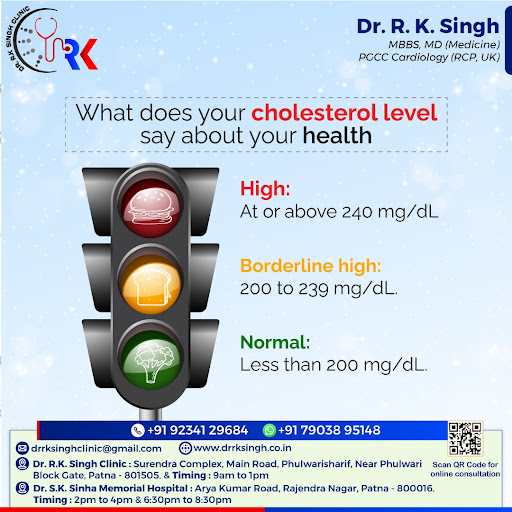
Cholesterol is a waxy substance found in your blood. While your body needs it to build healthy cells, having high levels of cholesterol can increase your risk of heart disease.
Types of Cholesterol:
- LDL (Low-Density Lipoprotein): Often called “bad” cholesterol, high levels of LDL can lead to the buildup of plaque in your arteries, which can cause blockages and heart disease.
- HDL (High-Density Lipoprotein): Known as “good” cholesterol, HDL helps remove LDL cholesterol from your arteries.
Elevated Cholesterol Risks:
1. Atherosclerosis: High LDL cholesterol can lead to the formation of plaque in the arteries, causing them to narrow and harden. 2. Heart Attack: Blocked arteries can reduce blood flow to the heart, increasing the risk of a heart attack. 3. Stroke: Plaque buildup can also occur in the arteries leading to the brain, raising the risk of a stroke. 4. Peripheral Artery Disease: Reduced blood flow to limbs due to plaque buildup can cause pain and increase the risk of infections.
Tips to Manage Cholesterol:
- Eat Heart-Healthy Foods: Focus on fruits, vegetables, whole grains, and lean proteins.
- Exercise Regularly: Aim for at least 30 minutes of moderate exercise most days of the week.
- Maintain a Healthy Weight: Losing excess weight can help lower LDL cholesterol.
- Avoid Smoking: Smoking lowers HDL cholesterol and increases LDL cholesterol.
- Limit Alcohol Intake: Excessive drinking can raise cholesterol levels.